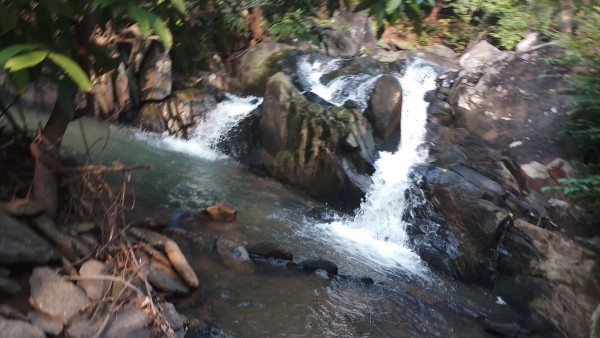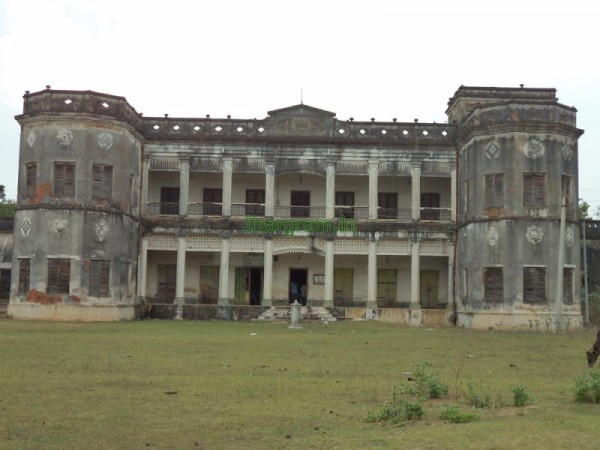
Welcome to Jhargram — Aranyasundari, Best of Jungle
Discover Jhargram

Aranyasundari —
The Best of Jungle

From undulating red-soil plains to plateau landscapes and dense sal forests, Jhargram offers nature, living heritage and warm hospitality.

Come. Explore. Belong.
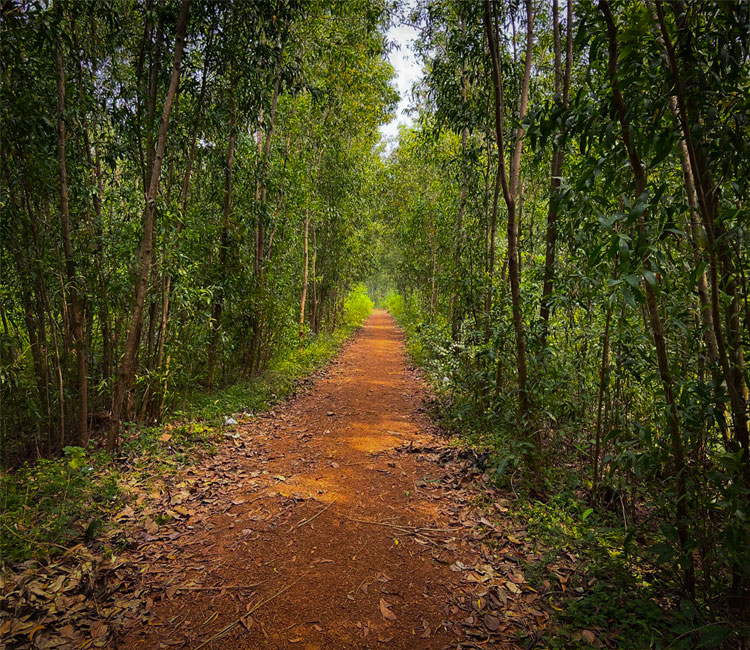
Jhargram forest
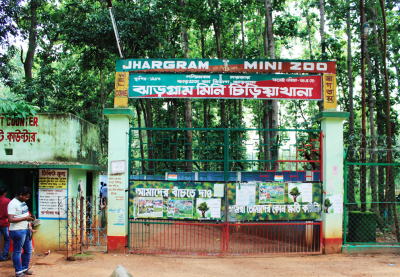
Waterfall
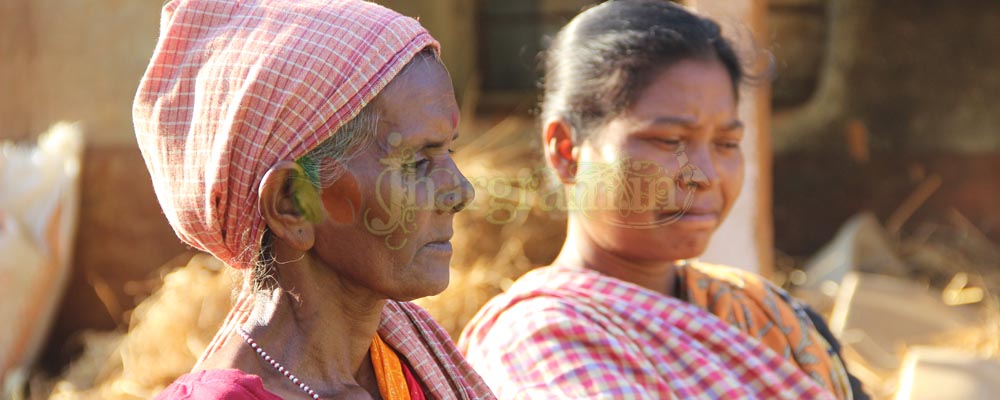
Tribal culture
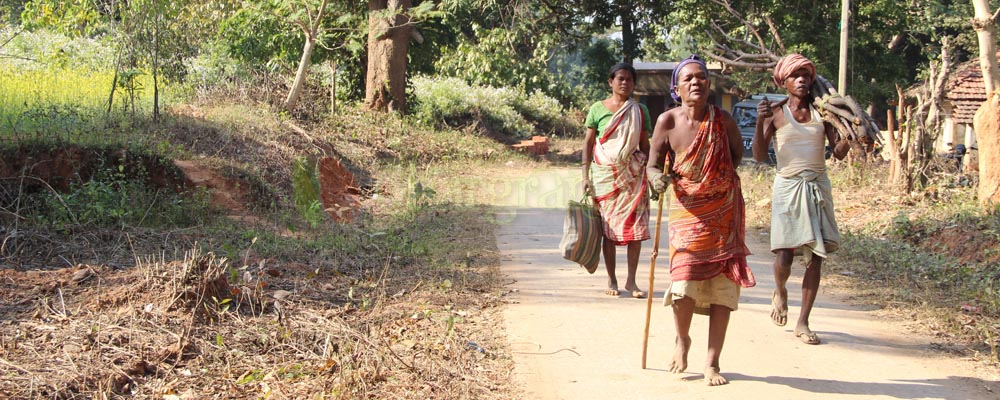
Village road
Living Heritage

History of Jhargram

A forest kingdom shaped by the Malla Deb dynasty, resistance, public service and the growth of a modern township.

For more than four centuries, Jhargram's royal family played a central role in the region's civic and cultural life.

c. 1574

The foundation of Jhargram

According to local tradition, the Mughal general Man Singh came to Bengal during Emperor Akbar's reign and sent Sarveshwar Singh to subdue the rulers of Junglekhanda. After his victory, Sarveshwar adopted the title Malla Deb and established Jhargram as his capital, beginning the Malla rule in the region.

17th–18th century

Resistance and the British period

The Jhargram Raj family took part in the Chuar resistance to defend its independence. The East India Company advanced into the area around 1767; after conflict and surrender, Jhargram was recognised as a zamindari estate under British rule and its ruler retained the title of Raja.

1929–1950

A period of development

After Raja Narasingha Malla Ugal Sanda Deb attained majority in 1929, the estate entered a major phase of civic development. Schools, colleges, hospitals and public institutions grew with support from the royal family and estate administration. Among them were Kumud Kumari Institution, Jhargram Raj College, Vidyasagar Bani Bhaban and the institution later known as Rani Binode Manjuri Government Girls' School.

Modern legacy

Service, culture and public life

Raja Narasingha was remembered for supporting education, health care, sport, literature and charitable institutions through donations of land and funds. Later generations, including Birendra Bijoy Malla Deb, continued their involvement in public life. Jhargram's royal, tribal and forest heritage remains an important part of the district's identity today.

Adapted from the former Jhargram.in article. Source cited there: Department of Archives and Jhargram Raj Palace.

Tribal Heritage

Culture carried through generations

Tribal Development

Strong roots, brighter tomorrow

700+Villages
20+Tribal Communities
1.4K+Sq. Km Forest Area
100+Tourist Attractions
RichCulture & Heritage
WarmPeople & Hospitality
Emergency & Public Safety

Important Contact Numbers

Tap a number to call or an email address to send a message.

Police

Jhargram Police Station

03221 255502
Fire Service

Jhargram Fire Brigade

03221 255502
Police

Gopiballavpur Police Station

03221-266202 9083269611 iicgopipswb@gmail.com

No contact found

Plan Your Visit

A peaceful journey begins here